

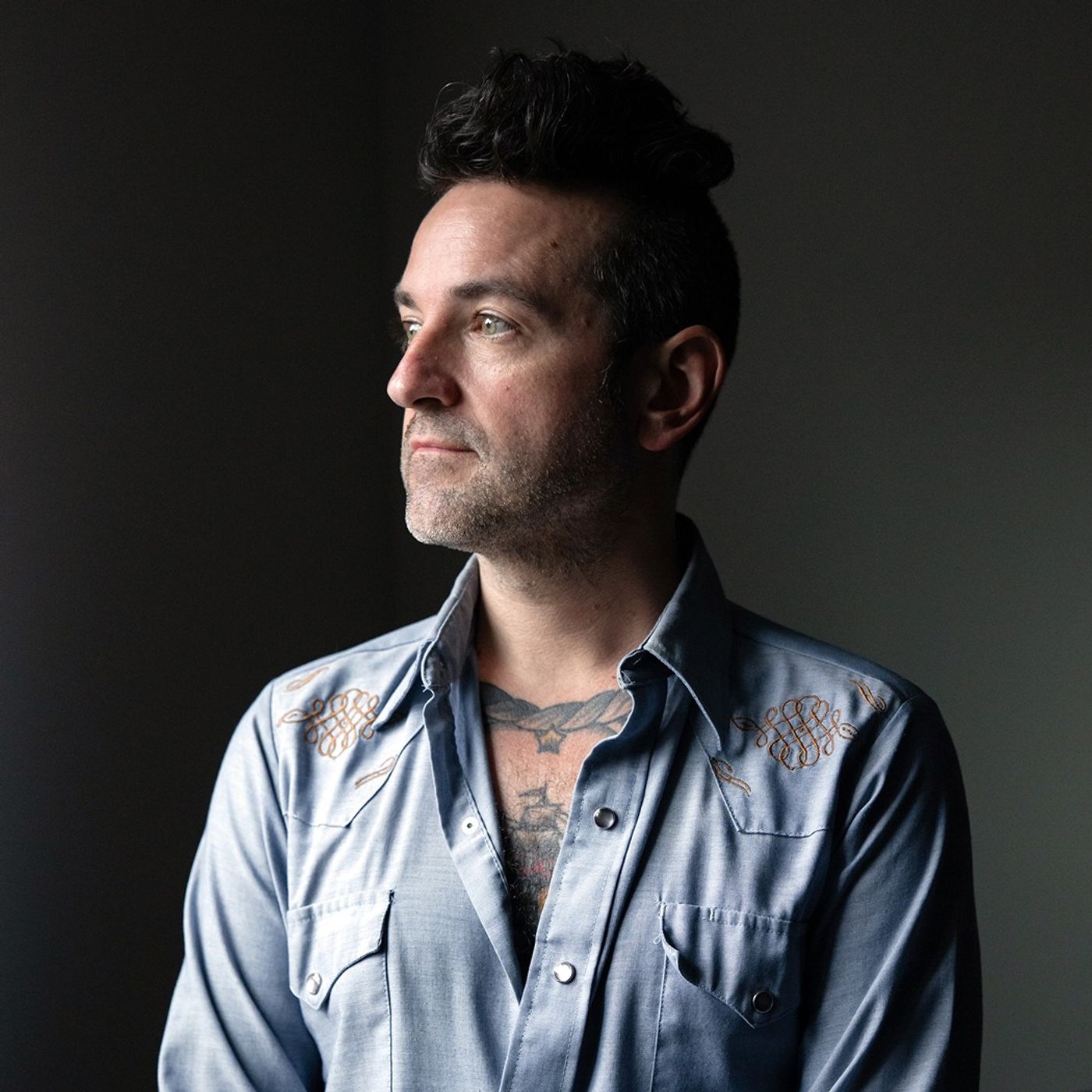

Why Are Grocery Store Prices So High
The Daily
07/13/26
•37m
About
Comments
Featured In
According to the Economic Research Service at the Department of Agriculture, prices across all food categories are expected to rise 3.2 percent in 2026.
Today, Jessica Cheung, a senior audio producer for “The Daily,” talks with the general manager of a food co-op in Pittsburgh about how the store is being affected by the quickly increasing costs.
Guest:
- Jessica Cheung, a senior audio producer on “The Daily” for The New York Times.
- Tyler Kulp, general manager of the East End Food Co-op
Background reading:
- Walmart said last week that it would lower some prices. While shoppers there and at other grocery stores may get better deals on some items, their overall grocery bill is unlikely to fall.
- In a survey, roughly 35 percent of Americans identified food as the single biggest source of financial pressure.
- A U.S.D.A. official called grocery chains to lower the price of beef.
Photo: Rachel Wisniewski for The New York Times
For more information on today’s episode, visit nytimes.com/thedaily. Transcripts of each episode will be made available by the next workday.
Subscribe today at nytimes.com/podcasts or on Apple Podcasts and Spotify. You can also subscribe via your favorite podcast app here https://www.nytimes.com/activate-access/audio?source=podcatcher. For more podcasts and narrated articles, download The New York Times app at nytimes.com/app.
Hosted by Simplecast, an AdsWizz company. See pcm.adswizz.com for information about our collection and use of personal data for advertising.
Previous Episode

What’s Epic About the ‘Odyssey’? Everything.
July 12
•50m
This Friday, “The Odyssey,” directed by Christopher Nolan, hits theaters. Even before the movie’s release, though, it’s proving to be a cultural event. Spirited discussions of Nolan’s cinematic interpretation of the epic poem already abound online, and they are likely to intensify after the public sees the film.
Why does a 12,000-line poem that is nearly 3,000 years old still feel resonant today? In this episode of “The Sunday Daily,” Natalie Kitroeff talks about the “Odyssey” with two writers who have produced some critically acclaimed and widely read modern interpretations of Greek classics: Emily Wilson, the first woman to translate the “Odyssey” from ancient Greek, and Madeline Miller, the author of the best-selling novels “Circe” and “Song of Achilles.”
On Today’s Episode:
Emily Wilson, a professor, classicist, author and translator of the “Odyssey”
Madeline Miller, the author of “Circe,” “Song of Achilles” and other books
Background Reading:
We’ll Help You Find Your Next Great Book. (Spoiler: It’s the ‘Odyssey.’)
The First Woman to Translate the ‘Odyssey’ Into English
Book Review: Turning Circe Into a Good Witch
Photo: Melinda Sue Gordon/Universal Pictures
For more information on today’s episode, visit nytimes.com/thedaily. Transcripts of each episode will be made available by the next workday.
Subscribe today at nytimes.com/podcasts or on Apple Podcasts and Spotify. You can also subscribe via your favorite podcast app here https://www.nytimes.com/activate-access/audio?source=podcatcher. For more podcasts and narrated articles, download The New York Times app at nytimes.com/app.
Hosted by Simplecast, an AdsWizz company. See pcm.adswizz.com for information about our collection and use of personal data for advertising.
Next Episode
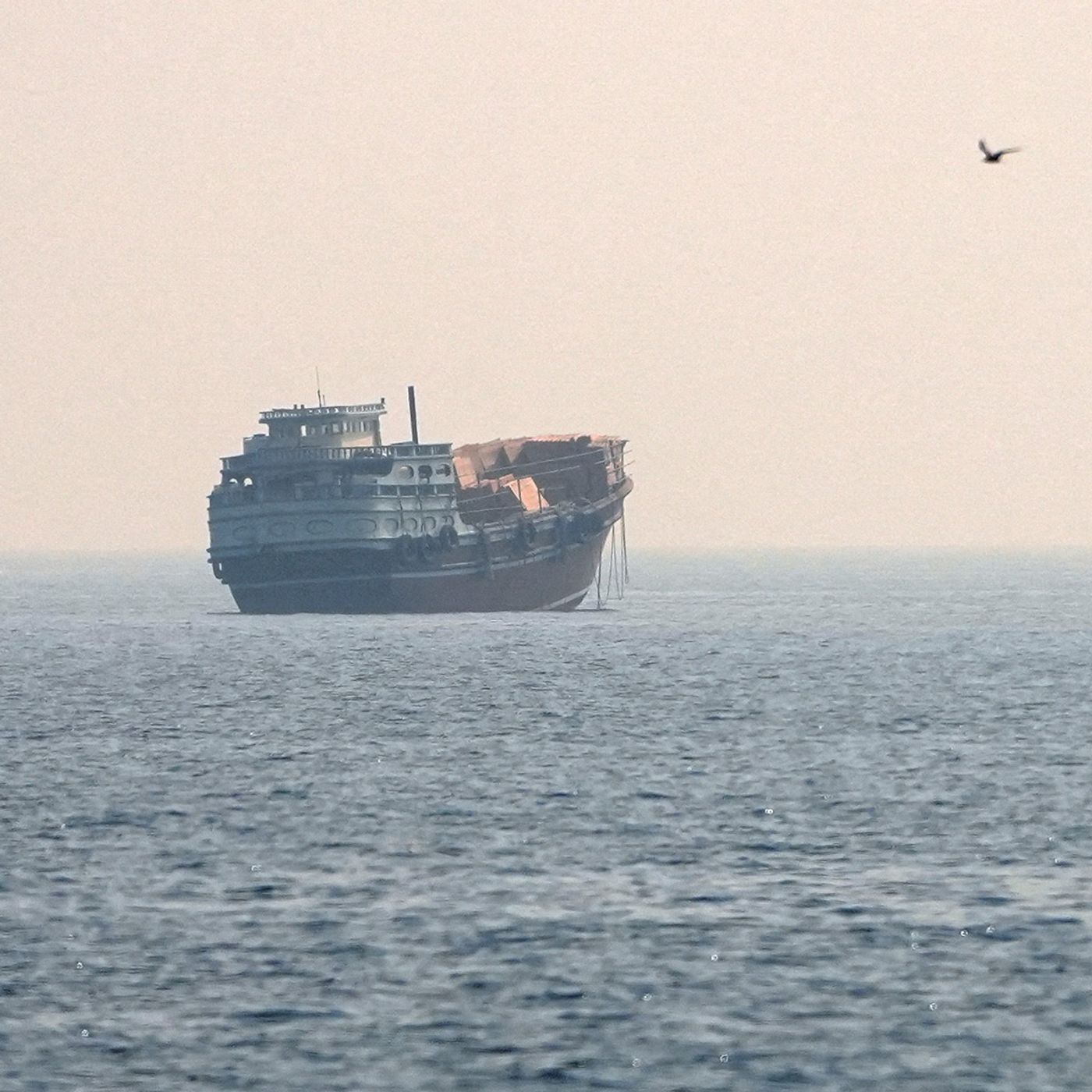
Why the Cease-Fire With Iran Keeps Crumbling
July 14
•27m
After back-and-forth attacks and an exchange of fiery language between President Trump and Iran’s leaders, it appears that both sides have returned to open conflict.
Today, David Sanger, the White House and national security correspondent for The New York Times, explains what brought us to this point, and what this new phase of the war tells us about how difficult it will be to end.
Guest: David E. Sanger, the White House and national security correspondent for The New York Times.
Background reading:
- After several days of strikes, Mr. Trump notified Congress that fighting with Iran had begun again, and he announced shipping fees that his administration previously deemed illegal.
- Analysis: As the cease-fire unraveled, the president’s aides insisted that they were not in violation of the preliminary accord.
Photo: Reuters
For more information on today’s episode, visit nytimes.com/thedaily. Transcripts of each episode will be made available by the next workday.
Subscribe today at nytimes.com/podcasts or on Apple Podcasts and Spotify. You can also subscribe via your favorite podcast app here https://www.nytimes.com/activate-access/audio?source=podcatcher. For more podcasts and narrated articles, download The New York Times app at nytimes.com/app.
Hosted by Simplecast, an AdsWizz company. See pcm.adswizz.com for information about our collection and use of personal data for advertising.
If you like this episode you’ll love


Promoted