

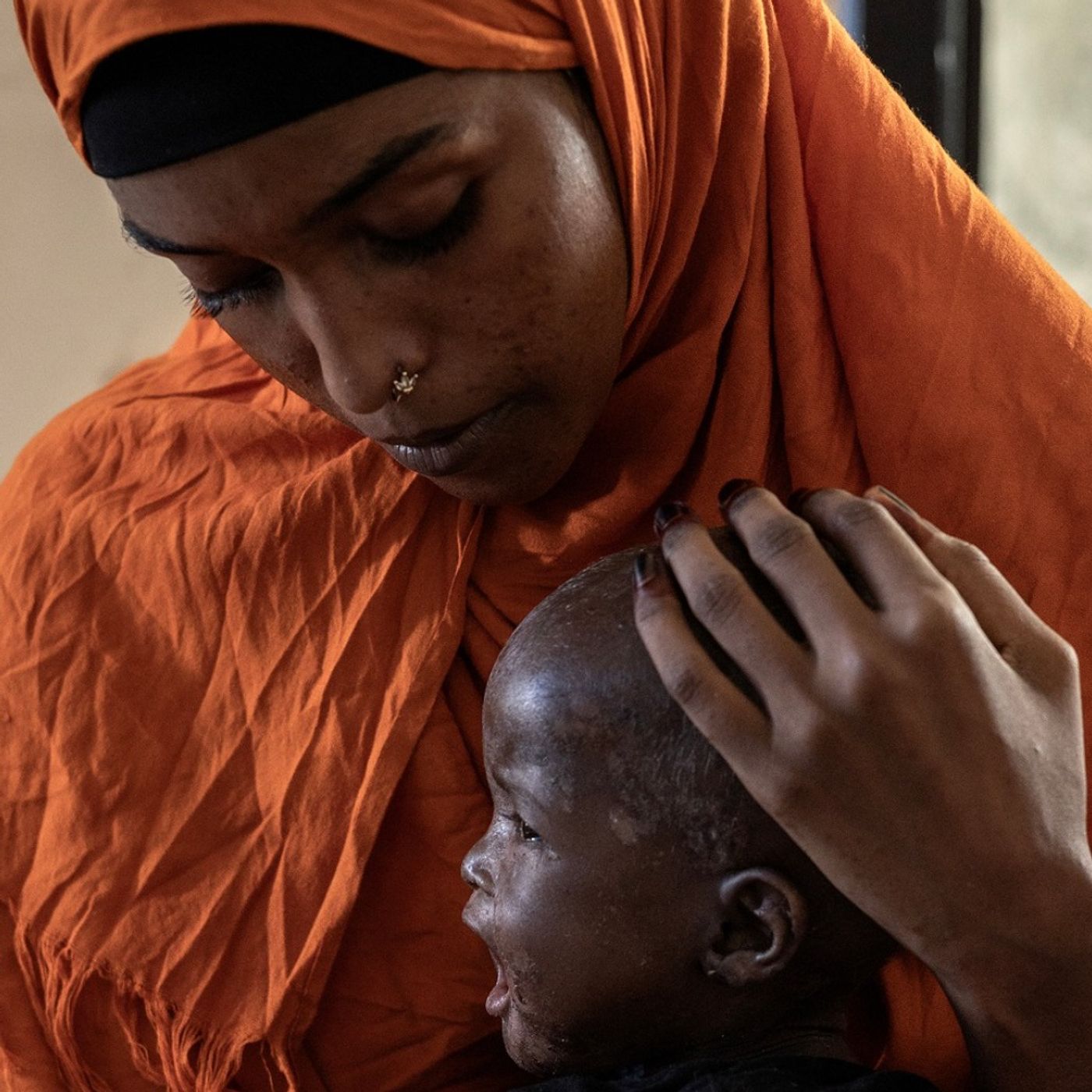

The Iran War's Devastating Butterfly Effect
The Daily
06/10/26
•26m
About
Comments
Featured In
The war in Iran has had some visible consequences, like skyrocketing energy costs and higher gas prices, but the effects of this war are often far less obvious and much more serious for the world’s most vulnerable people.
Today, Peter S. Goodman tells us what he learned on a recent trip to Somalia, and why the system of global aid is no longer in a position to help.
Guest: Peter S. Goodman covers the global economy for The New York Times.
Background reading: Catastrophe is emerging in the world’s most vulnerable places as the war in Iran causes soaring costs for food, fuel and fertilizer.
Photo: Finbarr O'Reilly for The New York Times
For more information on today’s episode, visit nytimes.com/thedaily. Transcripts of each episode will be made available by the next workday.
Subscribe today at nytimes.com/podcasts or on Apple Podcasts and Spotify. You can also subscribe via your favorite podcast app here https://www.nytimes.com/activate-access/audio?source=podcatcher. For more podcasts and narrated articles, download The New York Times app at nytimes.com/app.
Hosted by Simplecast, an AdsWizz company. See pcm.adswizz.com for information about our collection and use of personal data for advertising.
Previous Episode
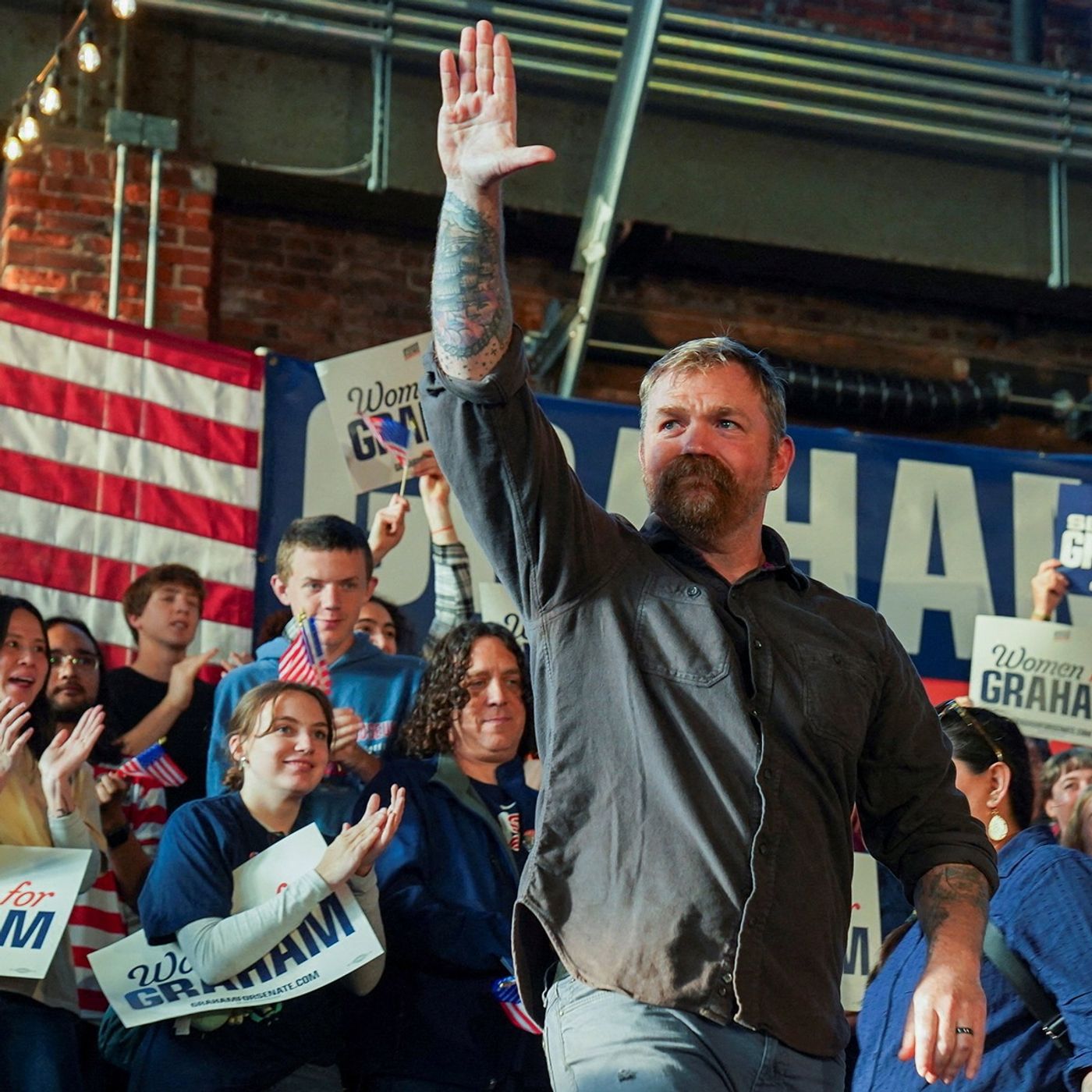
On Tuesday, Maine will vote in a high-stakes primary contest for a Senate seat that Democrats think they can win back from Republicans for the first time in decades. Democrats are pinning their hopes on Graham Platner, a progressive who has faced a string of scandals.
Today, Lisa Lerer and Katie Glueck discuss what this race means for Maine and for the prospects of the Democratic Party.
Guest:
- Lisa Lerer, a national political correspondent for The New York Times.
- Katie Glueck, a political reporter at The New York Times.
Background reading:
- Several women who dated Mr. Platner recall “unsettling” behavior.
- Politicians, officials and strategists have wrestled with how to respond to new reporting on Mr. Platner’s past behavior.
Photo: Amanda Sabga/Reuters
For more information on today’s episode, visit nytimes.com/thedaily. Transcripts of each episode will be made available by the next workday.
Subscribe today at nytimes.com/podcasts or on Apple Podcasts and Spotify. You can also subscribe via your favorite podcast app here https://www.nytimes.com/activate-access/audio?source=podcatcher. For more podcasts and narrated articles, download The New York Times app at nytimes.com/app.
Hosted by Simplecast, an AdsWizz company. See pcm.adswizz.com for information about our collection and use of personal data for advertising.
Next Episode
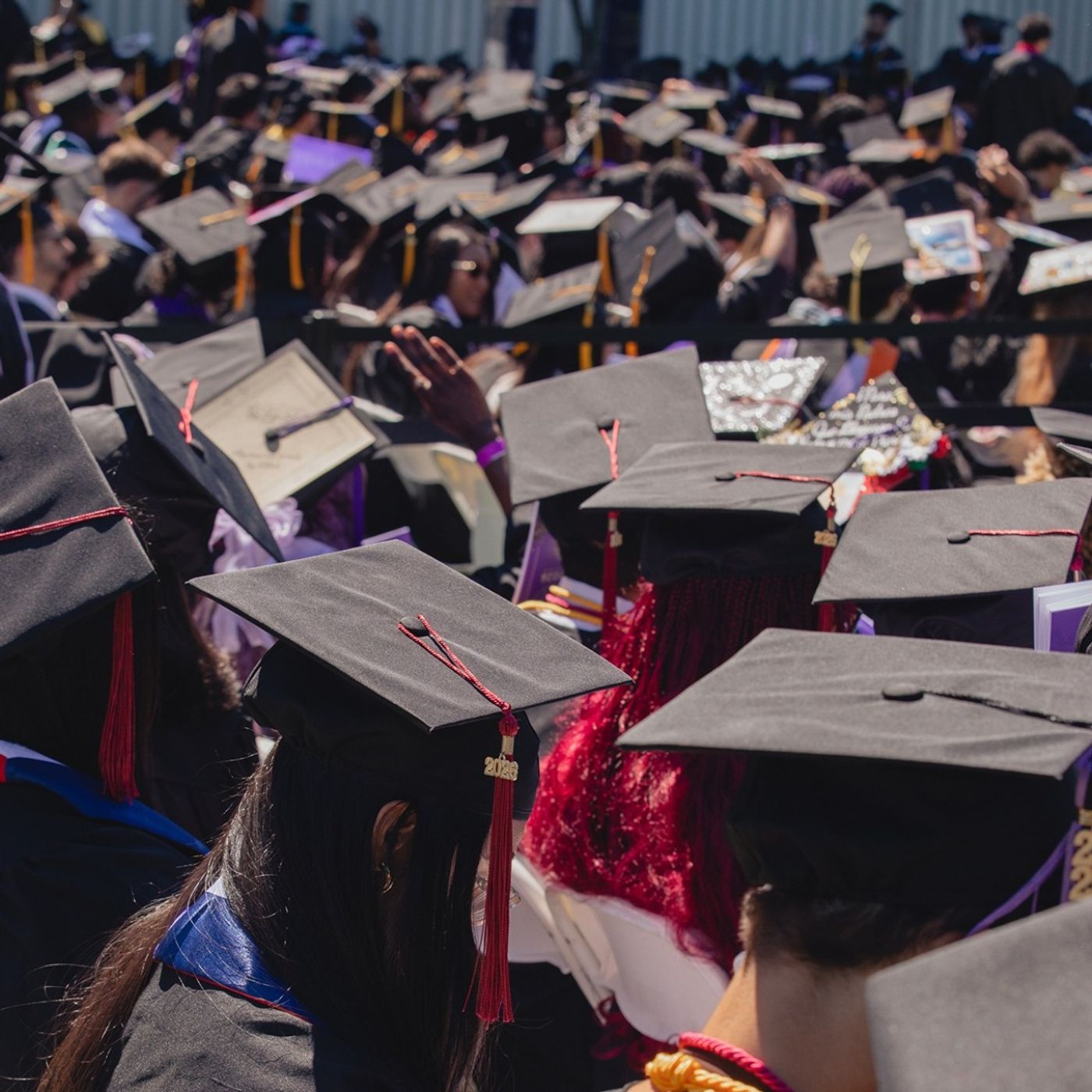
College graduates used to lean right politically, but over the past few decades, they have increasingly moved to the left.
Today, Noam Scheiber, the author of “Mutiny: The Rise and Revolt of the College-Educated Working Class,” explains the economic forces that have left many college grads deeply indebted, underpaid and angry, and also how their unmet expectations are reshaping class politics in America.
Guest: Noam Scheiber, a reporter for The New York Times based in the Chicago area who focuses on white-collar workers.
Background reading: College graduates feel betrayed, and their anger goes far beyond the recent rise of unemployment and the looming threat of artificial intelligence.
Photo: Camille Farrah Lenain for The New York Times
For more information on today’s episode, visit nytimes.com/thedaily. Transcripts of each episode will be made available by the next workday.
Subscribe today at nytimes.com/podcasts or on Apple Podcasts and Spotify. You can also subscribe via your favorite podcast app here https://www.nytimes.com/activate-access/audio?source=podcatcher. For more podcasts and narrated articles, download The New York Times app at nytimes.com/app.
Hosted by Simplecast, an AdsWizz company. See pcm.adswizz.com for information about our collection and use of personal data for advertising.
If you like this episode you’ll love




Promoted