



Can A.I. Make People Feel Less Lonely?
The Daily
05/28/26
•29m
About
Comments
Featured In
For years, caretakers and health officials have been raising alarms about loneliness and social isolation among older Americans.
Eli Saslow, a reporter at The New York Times, tells the story of one woman who is using artificial intelligence to keep her independence, and to keep her company.
Guest: Eli Saslow, a reporter for The New York Times who writes in-depth stories about the impact of major national issues on people’s lives.
Background reading:
- At 85, Jan Worrell lived alone on a remote corner of the Washington coast. Could a robot become her companion?
Photo: Ruth Fremson/The New York Times
For more information on today’s episode, visit nytimes.com/thedaily. Transcripts of each episode will be made available by the next workday.
Subscribe today at nytimes.com/podcasts or on Apple Podcasts and Spotify. You can also subscribe via your favorite podcast app here https://www.nytimes.com/activate-access/audio?source=podcatcher. For more podcasts and narrated articles, download The New York Times app at nytimes.com/app.
Hosted by Simplecast, an AdsWizz company. See pcm.adswizz.com for information about our collection and use of personal data for advertising.
Previous Episode
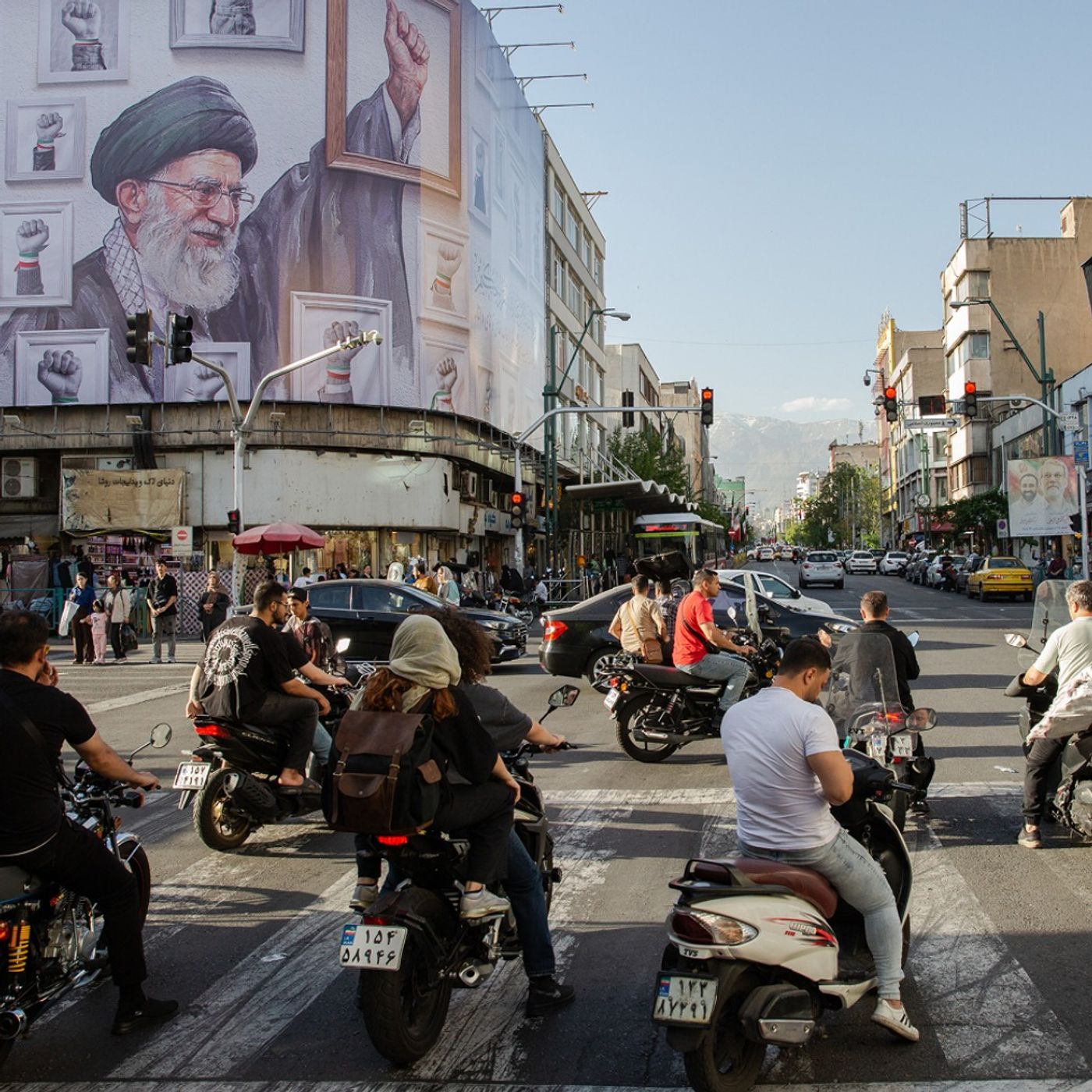
President Trump claimed over the long weekend that he was on the brink of a peace deal with Iran but offered few details. The United States then carried out new strikes against the country on Monday.
David E. Sanger and Tyler Pager, who cover the Trump administration for The New York Times, discuss what happened and the state of the peace negotiations.
Guest:
- David E. Sanger, a White House and national security correspondent for The New York Times.
- Tyler Pager, a White House correspondent for The New York Times.
Background reading:
- These are the words Mr. Trump has used about ending the Iran war.
- To get the Strait of Hormuz open, the president left the hardest issues for later.
Photo: Arash Khamooshi/Polaris for The New York Times
For more information on today’s episode, visit nytimes.com/thedaily. Transcripts of each episode will be made available by the next workday.
Subscribe today at nytimes.com/podcasts or on Apple Podcasts and Spotify. You can also subscribe via your favorite podcast app here https://www.nytimes.com/activate-access/audio?source=podcatcher. For more podcasts and narrated articles, download The New York Times app at nytimes.com/app.
Hosted by Simplecast, an AdsWizz company. See pcm.adswizz.com for information about our collection and use of personal data for advertising.
Next Episode
Stranded in the Strait of Hormuz
May 29
•26m
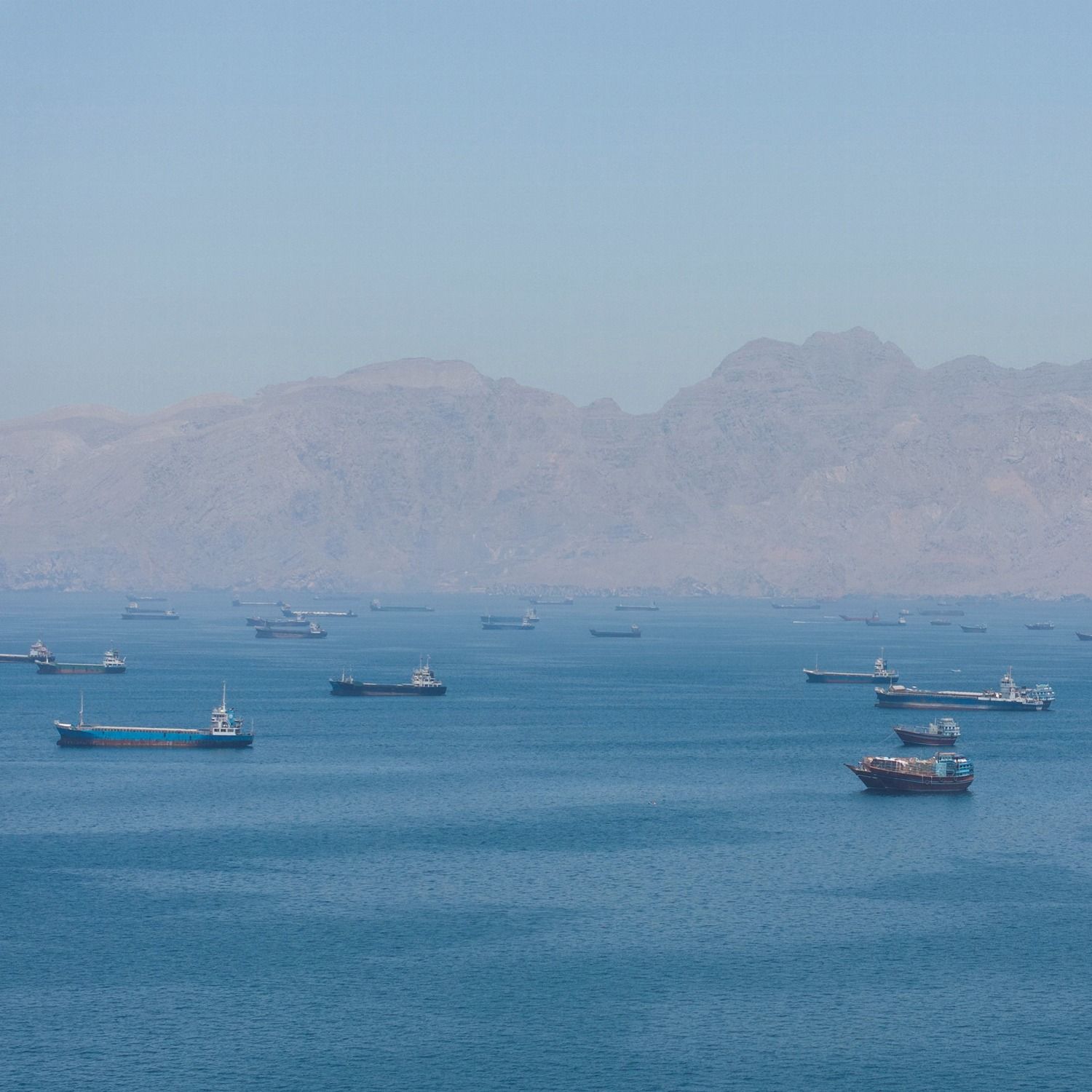
While the United States and Iran have each signaled that they may be making progress toward a peace deal, the Strait of Hormuz remains closed.
Thousands of crew members have been stranded in the shipping channel since the war broke out three months ago.
Two seafarers who got stuck in the strait explain what it is like to be trapped in a war zone, and what it would mean to get everyone out.
Guest: Capt. Virendra Vishwakarma, who managed to leave the Strait of Hormuz, and Aung Thu Khant, a seafarer who is still stuck.
Background reading:
- Read the latest updates on the war in Iran.
- Thousands of civilian sailors have been stranded in waters surrounded by a conflict zone because of the war.
Photo: Reuters
For more information on today’s episode, visit nytimes.com/thedaily. Transcripts of each episode will be made available by the next workday.
Subscribe today at nytimes.com/podcasts or on Apple Podcasts and Spotify. You can also subscribe via your favorite podcast app here https://www.nytimes.com/activate-access/audio?source=podcatcher. For more podcasts and narrated articles, download The New York Times app at nytimes.com/app.
Hosted by Simplecast, an AdsWizz company. See pcm.adswizz.com for information about our collection and use of personal data for advertising.
If you like this episode you’ll love




Promoted