


Worth
Radiolab
05/22/26
•71m
About
Comments
Featured In
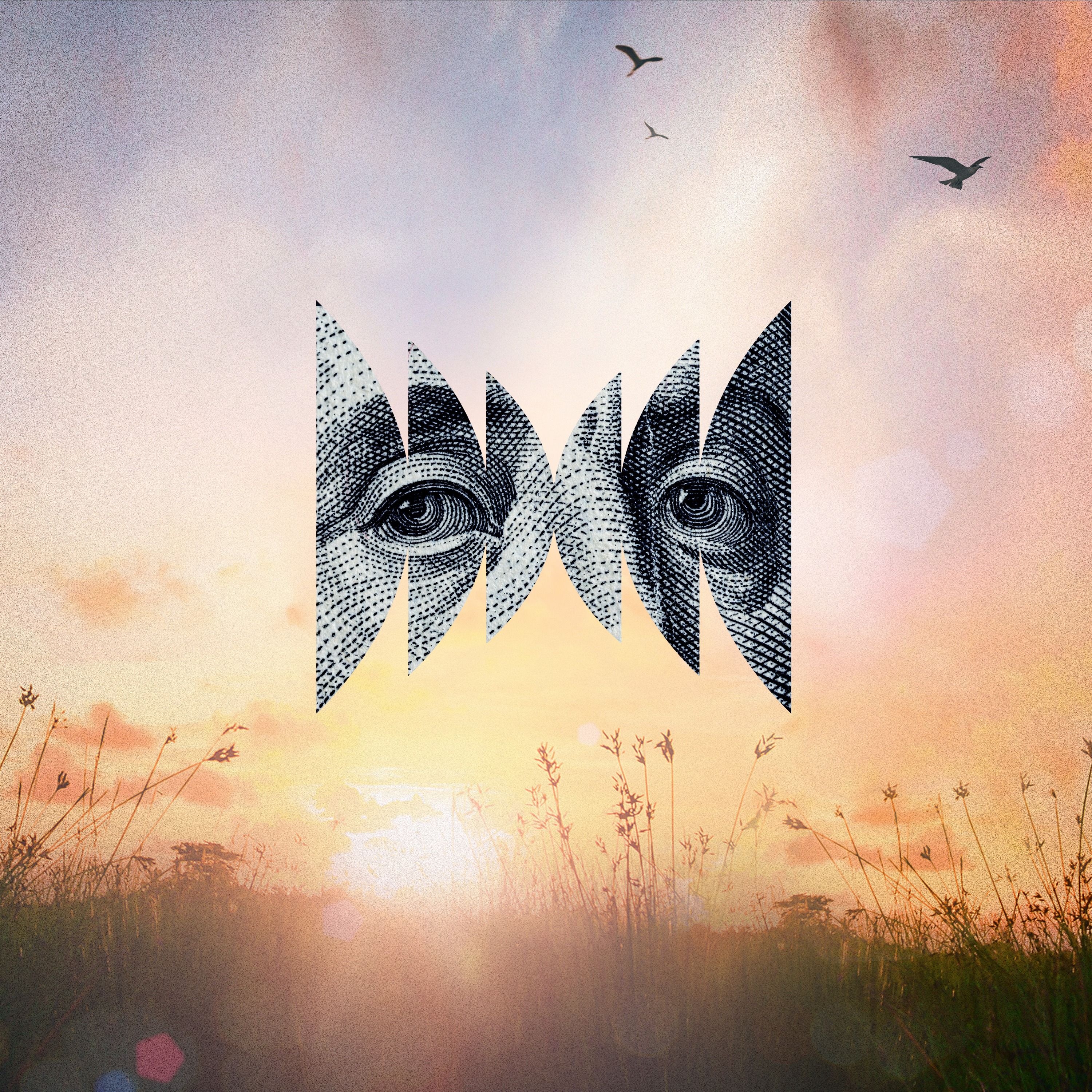
This episode makes three earnest, possibly foolhardy, attempts to put a price on the priceless. We figure out the dollar value for an accidental death, another day of life, and the work of bats and bees as we try to keep our careful calculations from falling apart in the face of the realities of life, and love, and loss.
In this story you’ll hear references to some of the issues that were on our minds when it first came out in 2014: wars in the middle east, drug costs and health care practices. Even as the exact shapes of these issues have evolved over the past dozen years, we feel the underlying questions are relevant and timeless: What is life worth? What about the earth?
EPISODE CREDITS:
Reported by - Molly Webster, Simon Adler, Tim Howard, and Matt Kielty
with help from - Shahib Al-Masawa
Produced by - Matt Kielty, Tim Howard
Fact-checking by - Michelle Soraka
EPISODE CITATIONS:
Books -
- Memoir of A Debulked Woman (https://zpr.io/WJz2Ybvq3HmT) by Susan Gubar
- Being Mortal (https://zpr.io/8J47trRcbjKh) by Atul Gawande
Sign up for our newsletter!! It includes short essays, recommendations, and details about other ways to interact with the show. Signup (https://radiolab.org/newsletter)!
Radiolab is supported by listeners like you. Support Radiolab by becoming a member of The Lab (https://members.radiolab.org/) today.
Follow our show on Instagram, Twitter and Facebook @radiolab, and share your thoughts with us by emailing radiolab@wnyc.org.
Leadership support for Radiolab’s science programming is provided by the Simons Foundation and the John Templeton Foundation. Foundational support for Radiolab was provided by the Alfred P. Sloan Foundation.
Hosted by Simplecast, an AdsWizz company. See pcm.adswizz.com for information about our collection and use of personal data for advertising.
Previous Episode

Your Friendly Neighborhood Hookworms
May 15
•46m
For most of human history, people went about their daily lives with a worm or two (or fifty) in their guts. Only in the past century, with pharmaceuticals and sanitation practices, have we made significant strides towards deworming the whole of humanity. And that’s typically been thought of as a good thing, because having too many worms in your body can–quite literally–suck the life out of you.
But is it possible to have... too few worms? Science wonders if deworming ourselves has actually led to an increase in certain chronic diseases. On this episode, we dive into Necator americanus, a.k.a. the American Hookworm, and its mysterious relationship with each of us.
We trace the hookworm’s 118-year journey from a demonized economic depressant, to its use as a desperate D.I.Y. immunosuppressant, to its potential as a medical treatment for a number of chronic diseases, everything from asthma to MS.
We’re bringing back two stories from our 2009 episode Parasites plus new research on hookworms and autoimmune diseases, reported by Molly Webster
Special thanks to Ethan Hein for the use of his remix of Mozart's Piano Concerto No. 21. Plus, Doris Pierce, and Dan and Alice Hadley.
EPISODE CREDITS:
Reported by - Pat Walters and Molly Webster
with help from - {{wREPORTERS}}
Produced by - Matt Kielty
with help from - Rebecca Rand
Fact-checking by - Diane A. Kelly
and Edited by - Arianne Wack
EPISODE CITATIONS:
Articles -
Effect of experimental hookworm infection on insulin resistance in people at risk of type 2 diabetes (https://pubmed.ncbi.nlm.nih.gov/37495576/) by Giacomin PR et al. Nat Commun. 2023 Jul 26
Signup for our newsletter!! It includes short essays, recommendations, and details about other ways to interact with the show. Sign up (https://radiolab.org/newsletter)!
Radiolab is supported by listeners like you. Support Radiolab by becoming a member of The Lab (https://members.radiolab.org/) today.
Follow our show on Instagram, Twitter and Facebook @radiolab, and share your thoughts with us by emailing radiolab@wnyc.org.
Leadership support for Radiolab’s science programming is provided by the Simons Foundation and the John Templeton Foundation. Foundational support for Radiolab was provided by the Alfred P. Sloan Foundation.
Hosted by Simplecast, an AdsWizz company. See pcm.adswizz.com for information about our collection and use of personal data for advertising.
Next Episode
This American Roach
May 29
•36m
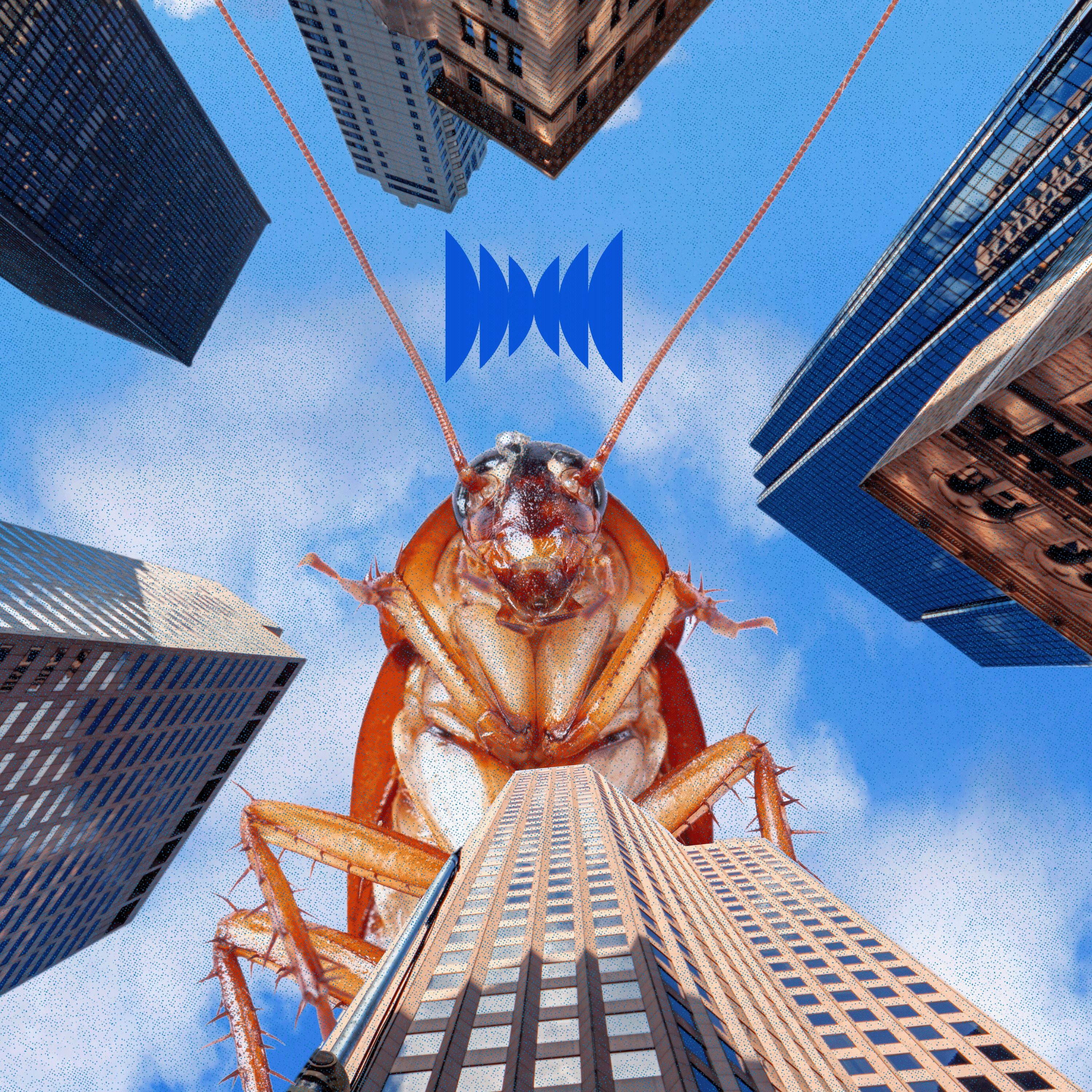
A couple summers ago, Radiolab reporter Alex Neason got out of the shower and almost stepped on her worst nightmare: an American Cockroach. It was flipped onto its back, struggling, and for a split second, Alex swears she felt the spiny tickle of its legs on the underside of her bare foot. And, like every other time she has come into contact with a roach, this sent her into a debilitating spiral of fear, anger, and disgust.
This week, Alex tries to understand what might be behind her fear, in the hopes she can overcome it. And in doing so, Alex learns more about these so-called pests than she could have ever wanted to.
Special thanks to Jessica Ware, Timothy Marzullo, Alexandra Bell, and Changlu Wang
EPISODE CREDITS:
Reported by - Alex Neason
Produced by - Jessica Yung and Annie McEwen
with mixing help from - Jeremy Bloom
Fact-checking by - Sophie Samiee
and Edited by - Pat Walters
EPISODE CITATIONS:
Articles -
- American Cockroaches, Racism, and the Ecology of the Slave Ship (https://zpr.io/UNKsMz7ZaLvb) by Lindsay Garcia, Arcadia
Books -
- Pests: How Humans Create Animal Villains (https://zpr.io/6E5wJBM4Kvcv) by Bethany Brookshire
- The Cockroach Papers (https://zpr.io/CvKePYxEMEAW) by Richard Schweid
- Cockroach (https://zpr.io/UuEAjmfqKccQ) by Marion Copeland
Other cool stuff -
- Have fun with neuroscience and ... Roaches @ www.backyardbrains.com
Sign up for our newsletter!! It includes short essays, recommendations, and details about other ways to interact with the show. Signup (https://radiolab.org/newsletter)!
Radiolab is supported by listeners like you. Support Radiolab by becoming a member of The Lab (https://members.radiolab.org/) today.
Follow our show on Instagram, Twitter and Facebook @radiolab, and share your thoughts with us by emailing radiolab@wnyc.org.
Leadership support for Radiolab’s science programming is provided by the Simons Foundation and the John Templeton Foundation. Foundational support for Radiolab was provided by the Alfred P. Sloan Foundation.
Hosted by Simplecast, an AdsWizz company. See pcm.adswizz.com for information about our collection and use of personal data for advertising.
If you like this episode you’ll love



Promoted