


Sad Ass Songs
Dolly Parton's America
10/15/19
•57m
About
Comments
Featured In
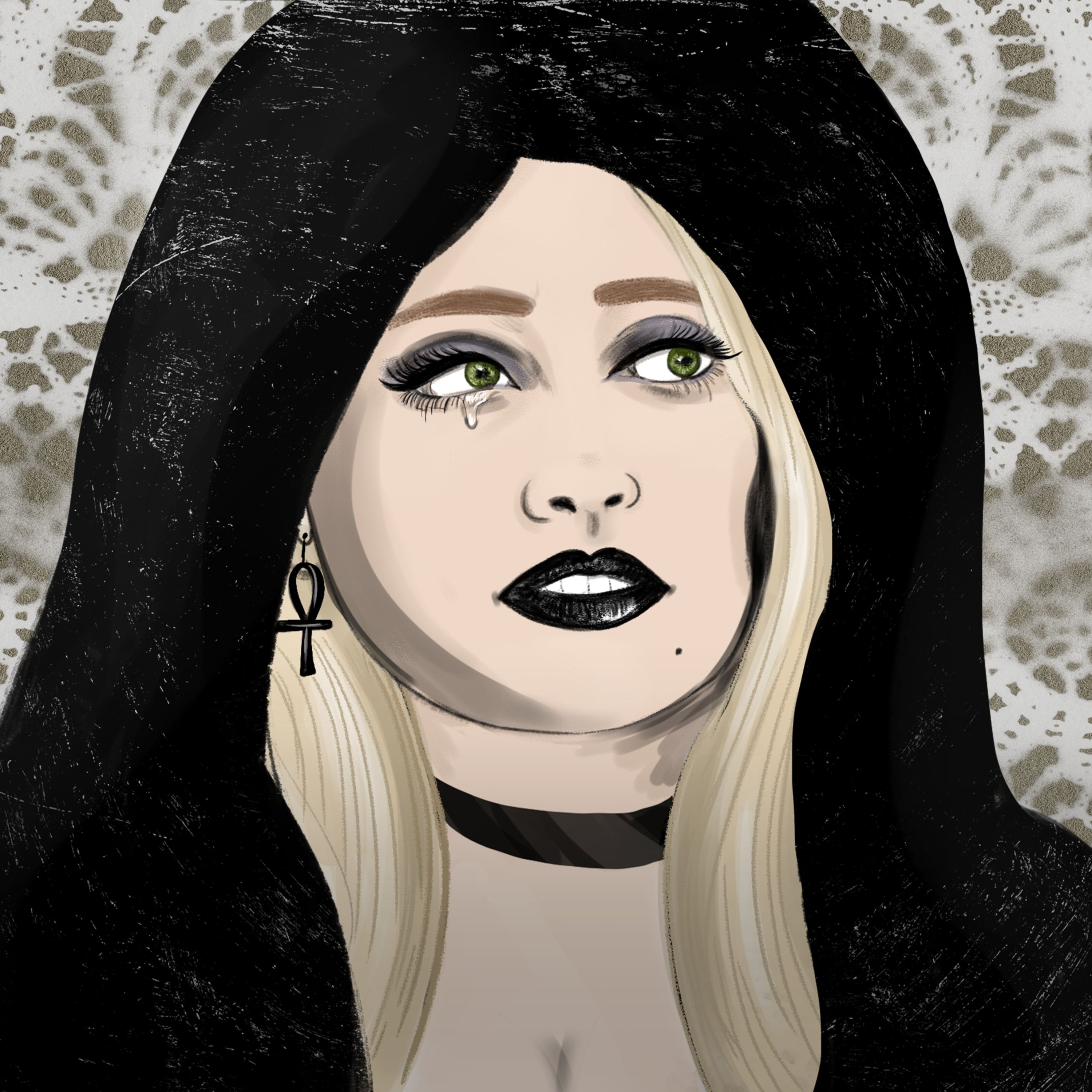
We begin with a simple question: How did the queen of the boob joke become a feminist icon? Helen Morales, author of “Pilgrimage to Dollywood,” gave us a stern directive – look at the lyrics! So we dive into Dolly’s discography, starting with the early period of what Dolly calls “sad ass songs” to find remarkably prescient words of female pain, slut-shaming, domestic violence, and women being locked away in asylums by cheating husbands. We explore how Dolly took the centuries-old tradition of the Appalachian “murder ballad”—an oral tradition of men singing songs about brutally killing women—and flipped the script, singing from the woman’s point of view. And as her career progresses, the songs expand beyond the pain to tell tales of leaving abuse behind.
How can such pro-woman lyrics come from someone who despises the word feminism? Dolly explains.
Hosted by Simplecast, an AdsWizz company. See pcm.adswizz.com for information about our collection and use of personal data for advertising.
Previous Episode
Dolly Parton's America Trailer
October 3, 2019
•1m
In this intensely divided moment, one of the few things everyone still seems to agree on is Dolly Parton—but why? That simple question leads to a deeply personal, historical, and musical rethinking of one of America’s great icons. Join us for a 9-part journey into the Dollyverse.
Hosted and created by Jad Abumrad and Shima Oliaee.
Hosted by Simplecast, an AdsWizz company. See pcm.adswizz.com for information about our collection and use of personal data for advertising.
Next Episode
I Will Always Leave You
October 22, 2019
•53m
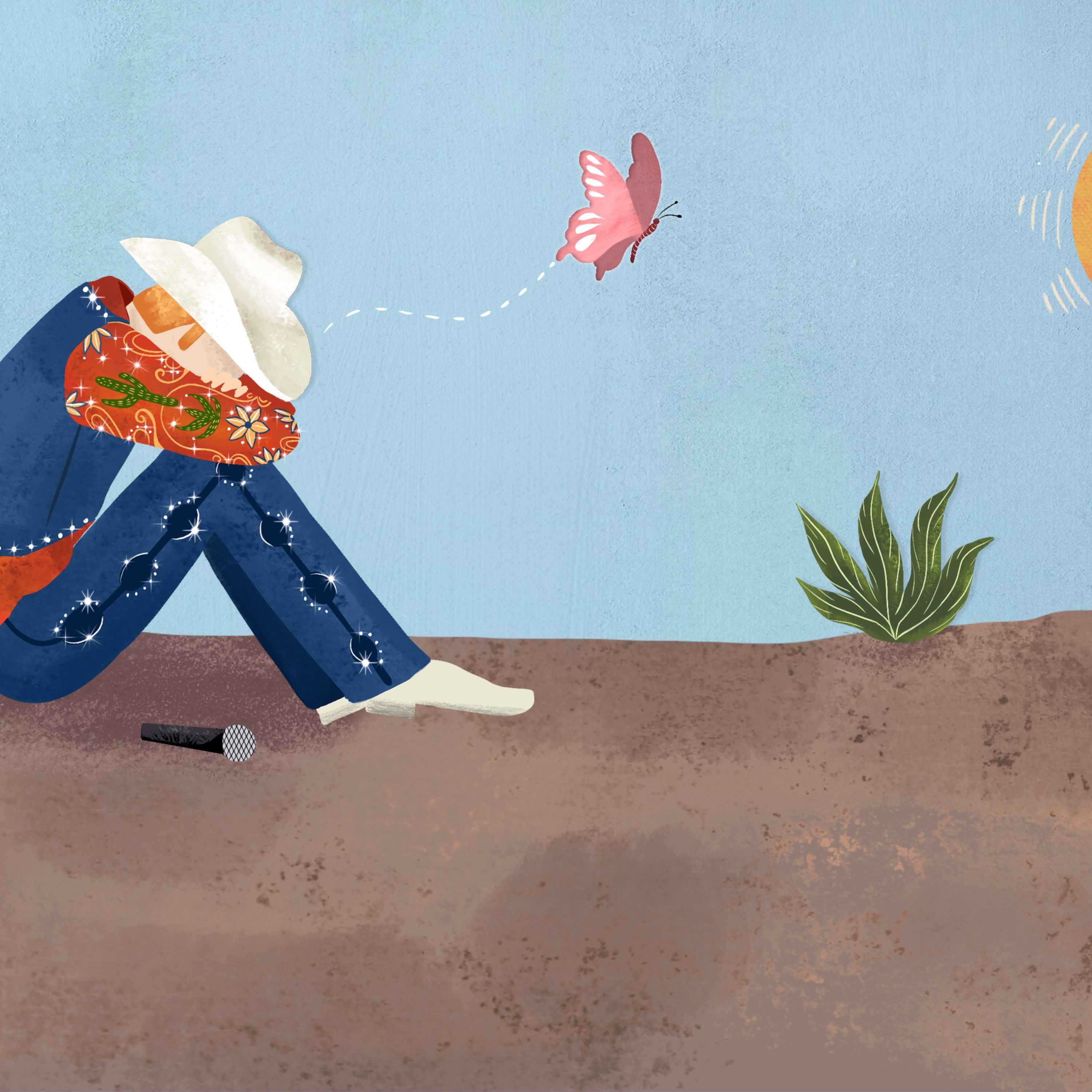
Porter Wagoner led the most successful country music television show of its time, and in 1967 he needed a new “girl singer.” He turned to a 21 year old songwriter named Dolly Parton, who’d just recorded her first hit “Dumb Blonde.” So began a nearly decade-long partnership that, behind the scenes, was as contentious as it was commercially successful. This episode tells the story of the “Porter years,” the period during which Dolly arguably discovers her power - both as a performer and songwriter - and then makes the difficult (and radical for its time) decision to strike out on her own. Through interviews with Dolly, country music star Marty Stuart, Wagonmaster Buck Trent, and Porter’s daughter Deborah Wagoner, we explore how Dolly handled what’s sometimes called the great “hillbilly divorce” with such characteristic grace.
Hosted by Simplecast, an AdsWizz company. See pcm.adswizz.com for information about our collection and use of personal data for advertising.
If you like this episode you’ll love


Promoted